
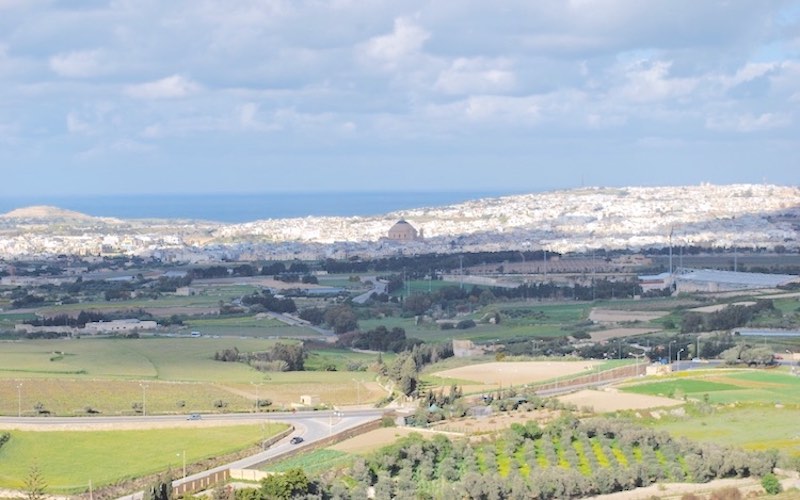
Malta, officially known as the Republic of Malta, is a small island nation located in the Mediterranean Sea, south of Italy and east of Tunisia. It’s a very popular holiday destination for Brits. If you haven’t come across my blog before, my name is Amy, and I am the travel blogger behind www.templeseeker.com. I help people like you to see the most amazing cultural, historical and religious sites around the world. Recently, I spent just over a week in Malta and had a fantastic holiday! Malta has a rich history dating back thousands of years. As a travel blogger, I often get asked ‘Is Malta worth visiting?’ – let’s take a look!
Malta is made up of three main islands: Malta, Gozo, and Comino, along with several smaller uninhabited islands. It has played a significant role in various civilizations, making it a place of cultural, historical, and architectural significance. Most tourists flock to Malta’s main island, but many like to explore Gozo and Comino as well. It is a great holiday destination for couples, families, friends and solo travellers.
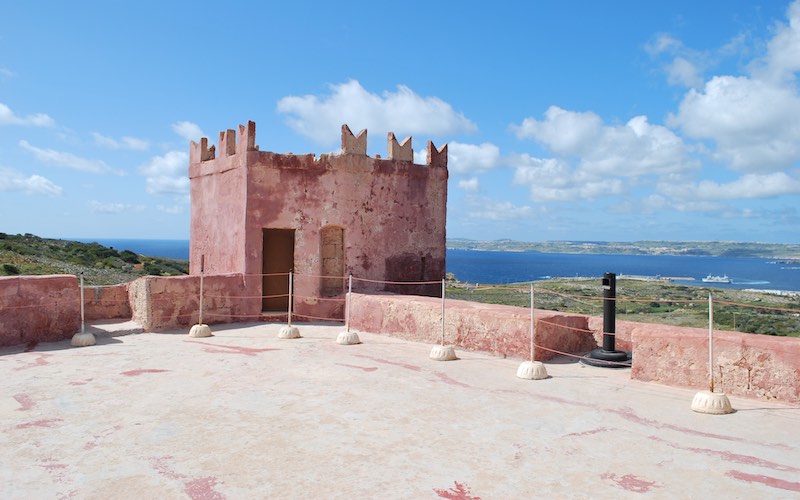
Is Malta worth Visiting? Absolutely!
Malta is a popular holiday destination and has a good mix of history, culture and activities to make it suitable for all age groups and people with differing interests. Overall, I would say that Malta is definitely worth visiting. I visited for a week and would like to go back and do another week with a focus on Gozo.
There are plenty of great beaches if you are looking for some relaxation time. The capital of Valetta is a walled city with beautiful yellow stone architecture, wonderful views and even catacombs underground! Malta also boasts temples dating back to the stone age including the prehistoric temple of Hagar Qim.
Historical Background to Malta
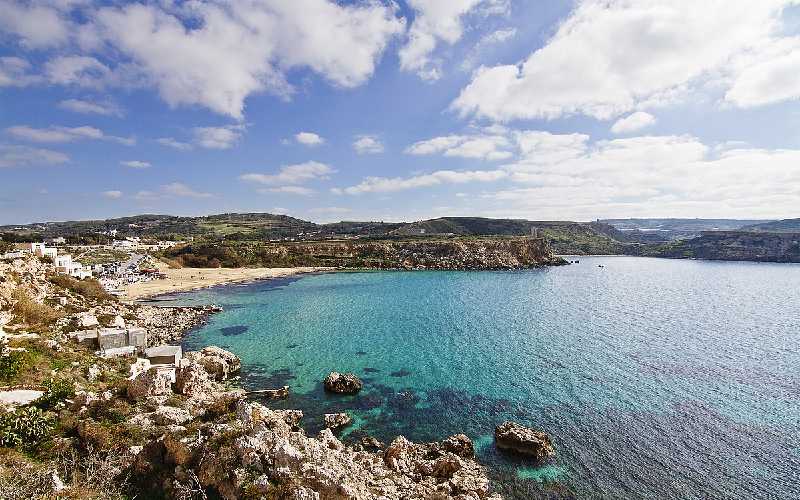
Historically, Malta was invaded by the Phoenicians, Carthaginians, Romans, Arabs, Normans, Aragonese, crusaders, French and British, before finally becoming an independent nation in 1964. There is a geographical reason for this – which is to do with the strategic position of the island in the Mediterranean.
In WW2, Malta became a base for Allied attacks on enemy ships plying supply routes to North Africa and on the Italian air and naval bases. As Churchill predicted, it was essential for reducing the effectiveness of the North African push.
These numerous influences mean that you will experience a melting pot of cultures with a cosmopolitan vibe. Food will be a healthy mix of European, British and Arabic.
The Pros of Visiting Malta
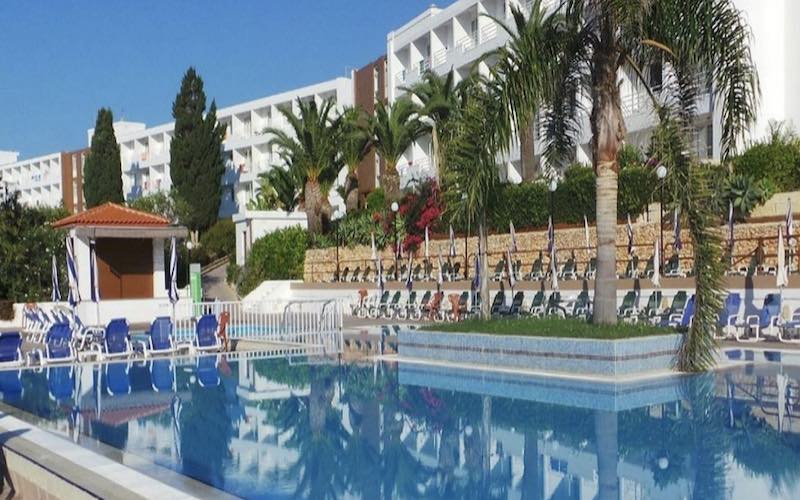
Malta is a relatively small island that is easy to navigate. The delights of Malta include amazing fortresses, grottos, Cathedrals and Museums. Here are some of the top reasons to visit…
Accessible from UK
Malta is very accessible, with Malta International Airport served by direct flights from Manchester (Jet2) and also direct flights from Liverpool (Easyjet). You can also fly direct to Malta from London (Heathrow, Gatwick, Stanstead and Luton) and Birmingham International. The flight time is around 3 hours 15 mins or 3 and a half hours, making it a great option for a one week holiday or even a long weekend.
Amazing Catholic Churches and Cathedrals
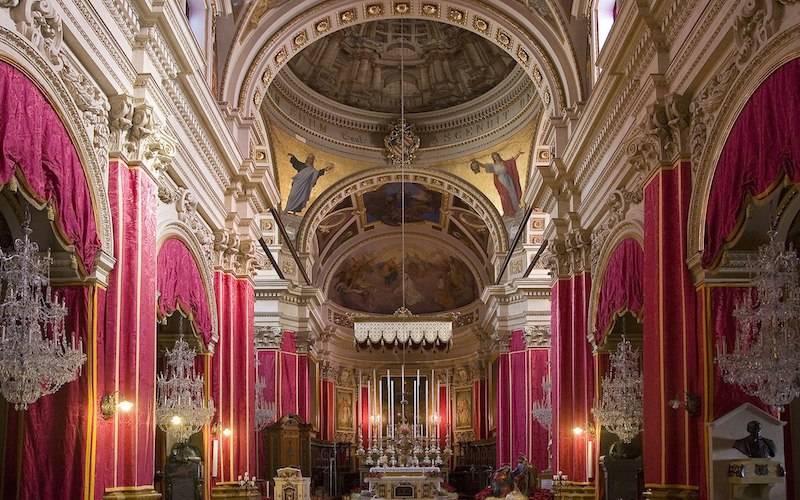
The main religion in Malta is Roman Catholic – over 90% of the population are Catholic with over half of those practising. This means that you can expect to see some amazing Church architecture and, if you are interested, big celebrations of Christian festivals at Easter and Christmas. There are street processions throughout Holy week, culminating with a statue of the risen Christ parading through the capital of Valetta on Easter Sunday.
If you like Church architecture, there are some amazing Cathedrals in Malta, including the beautiful Co-Cathedral of Valetta. The Co-Cathedral is adorned with gold-leaf and contains not one, but two Caravaggio paintings – what a treat. Also check out St Pauls Cathedral in Mdina and the Cathedral of the Assumption in Victoria, Gozo.
Prehistoric Temples
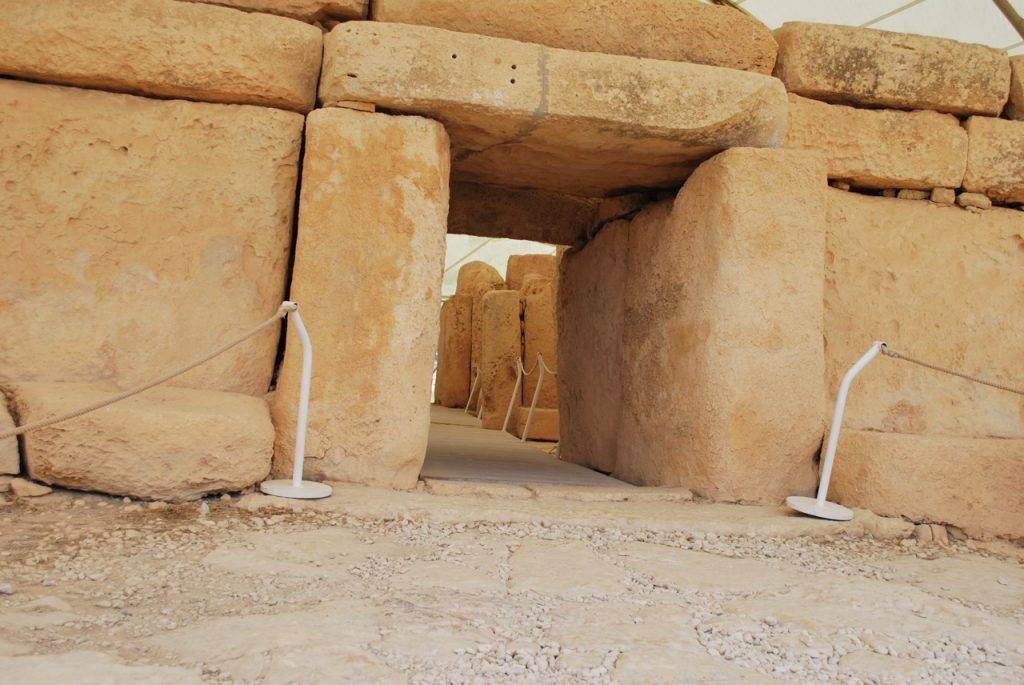
I’ve mentioned that the prehistoric temples of Malta date back to the stone age. There are 13 preserved megalithic temples of Malta built within this time period, 6 of which are recognised UNESCO World Heritage Sites. Ggantija on Gozo are the oldest (built circa 3600 BC) and were the first to be recognised as World Heritage Sites in 1980. In 1992, five other prehistoric temple sites of Malta were added: Ħaġar Qim, Mnajdra, Ta’ Ħaġrat, and Skorba Temples.
They are fascinating to explore. I visited Hagar Qim, where there was evidence of a prehistoric altar tables, statue plinths and even a sun-dial. The prehistoric temples of Hagar Qim are perfect for any history buff. And if that’s not enough….Malta is home to an underground Hypogeum (Ħal Saflieni) – aNeolithic subterranean structure that dates back to the Saflieni phase in Maltese prehistory.
English is Widely Spoken
Although Maltese is spoken on the island, there are actually two national languages of Malta: Maltese and English. This means that you won’t be battling with a language barrier when you book tours and use public transport.
The whole island can be seen with Day Trips
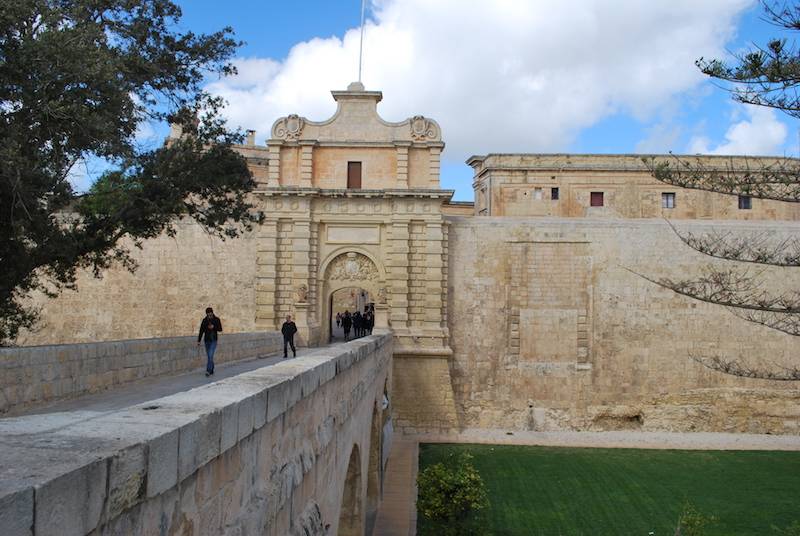
Being a small island, it is easy to get to most destinations in Malta as a day trip – no need for a two-centre holiday! We stayed up North in Melheia Bay, but we were still able to visit several destinations on the island as a day trip, including Valletta, Mosta and Rabat. It is also possible to do a day trip to Gozo from the main island. Take the ferry from Cirkewwa to Mgarr on Gozo. There are around 18 ferries a day and the journey takes 45 minutes.
Digital Nomad and Traveller scene
It may surprise you to hear that as well as being a good holiday destination, Malta is also popular for digital nomads and long term travellers. Many digital nomads tend to stay in either the capital of Valletta, or either Sliema or Saint Julians across the bay from the capital. These areas have excellent 5G Coverage for remote work and a good social life.
Transport Links
Malta is a small island and public transport is easy to use. There are shuttle buses from the airport and local buses around the the island (I used the local bus from Melleiha Bay to Bugibba). You can use card on on the buses and may find that your UK Visa or Mastercard works, so you don’t need to worry about having cash or the correct change. Uber also works in Malta, along with other ride share apps such as Bolt and eCabs. As the island is only 17m long, you can actually get from one side of the island to the other in around an hour.
Malta is well geared up for tourists
Malta is a very touristy destination. In fact, approximately 15% of Malta’s GDP comes from the tourism industry. The island is also very small, which means that it is easy to travel around the island to visit the main sites. The chances are that whatever you want to visit or do in Malta, there will be a travel agency or hotel that can help you to do it or to get there. We did three group tours and two days exploring the island by public transport, which worked really well. There are some sites that you should book in advance in high season, such as the Hypogeum and Hagar Qim.
Food and Drink
Food and drink is amazing in Malta. I absolutely loved the pastries and stews. Here are some local dishes and beverages that you have to try while you’re there…
- Pastizzi – Flaky, golden pastries traditionally filled with ricotta or mushy peas. Go for the ricotta — it’s absolutely divine.
- Rabbit Stew (Fenkata) – Malta’s national dish, slow-cooked and rich in flavour. Often found in rural restaurants — I tried it and was pleasantly surprised!
- Ftira – A Maltese-style flatbread served as a hearty sandwich or pizza base. Perfect for a quick and satisfying lunch on the go.
- Kinnie – A local bittersweet soft drink made with orange and aromatic herbs. Maltese people are divided on it — personally, I’m firmly in the not a fan camp.
- Cisk Lager – The island’s signature beer. This crisp golden lager comes in several varieties, including Cisk Strong and Cisk IPA. A refreshing way to cool down in the Maltese sun.
Good Beaches
There are some gorgeous beaches on Malta including Golden Bay and Melheia Bay and the Blue Lagoon. Here are the best beaches on the main island…
- Mellieħa Bay (Għadira Bay) – Malta’s largest sandy beach with shallow, crystal-clear waters. Ideal for families and first-time visitors.
- Golden Bay – A classic favourite with golden sands, sunbed rentals, and stunning sunsets. Great for a relaxed beach day with all facilities nearby.
- Għajn Tuffieħa Bay – Just next to Golden Bay but far quieter and more scenic. Be prepared for a staircase descent — totally worth it for the views.
- Paradise Bay – A small but picturesque cove near the Gozo ferry terminal. Turquoise water and a fun beach bar atmosphere.
- St. Peter’s Pool – Not a sandy beach but a natural rocky swimming spot perfect for cliff-jumping and snorkelling.
- Armier Bay & Little Armier – Two chilled-out beaches overlooking Comino and Gozo. A great escape from the busier tourist hotspots.
- Pretty Bay (Birżebbuġa) – A sandy beach located in the south, set against a quirky backdrop of cargo ships and colourful Maltese houses.
- Mistra Bay – Less developed and more peaceful, ideal for travellers looking to escape the crowds.
The Cons of Malta
There are honestly not too many cons of Malta, but there are definitely a few things that you should consider…
Cost – Malta is not the cheapest part of the world
The cost of Malta lies somewhere between Eastern European destinations and the UK. It may be slightly cheaper than the UK to eat out (expect around €20-30 per person for a meal). However, it’s true that there are cheaper popular holiday destinations such as Tunisia and Morocco that are substantially easier on the wallet. Therefore, if you are looking for a very budget friendly holiday, then Malta may not be your top choice.
Cultural challenges – visit Churches respectfully
It’s easy to think that you can live in shorts and T-shirts or a short dress in the summer months in Malta. However, remember that Malta is around 83-98% Catholic and many of the wonderful places to visit in Malta (such as the Cocathedral in Valletta) are places of worship. It is important that you consider appropriate dress for these destinations. For example, on trips to Valletta and Mdina, you are likely to be visiting Cathedrals, so choose perhaps comfortable linen trousers or walking trousers along with a comfortable shirt or blouse (that doesn’t reveal cleavage) for those days.
Temperature and climate – it’s not always sunny!
Although Malta is in the Mediterranean, it’s not always as warm as you would expect it to be, especially if you visit in low season. Between December and March the temperature isn’t too cold, but will fluctuate around 12°C to 17°C at this time of year. I enjoyed my Malta holiday in March, but it certainly wasn’t beach weather! On one of my tours, it was so windy and my hair is all over the place on a few of my Mdina photos! I still loved the trip though! But if you are looking for winter sun, I would recommend that you go for somewhere like Morocco or Tenerife.
Most important Malta Travel Tips
Next, here are my top travel tips for visiting Malta, including what to pack and where to stay.
What to pack for Malta
Make sure that you check the weather before you pack, and remember that it’s not sunny all year round! Some essentials for Malta include a wind and waterproof jacket, comfy leggings or hiking trousers and walking boots. If you are going to be sun worshipping in the summer months then remember to pack your hat, sunglasses, sun cream and after sun.
The plugs in Malta are type G (three pin) the same as in the UK and so if you are coming from the UK you will not need a plug converter. If you are travelling from the USA you need a US to UK (type G) converter.
- Travel documents and Passport – Of course you need your passport and travel documents, which I recommend that you carry in an anti-theft travel money belt on your person.
- Credit or Debit cards and money – Your VISA will likely work in Malta, but also take other credit cards as a back up and some EUROS in cash (in different small denominations if possible).
- Waterproof jacket – It can get cold and windy in Malta, especially from October through to March. My waterproof jacket was perfect for the March breeze on my trip.
- Water bottle – This is always great to have when travelling and tap water in Malta is drinkable. I always take my SIGG water bottle when travelling because it is durable and practical.
- Hiking boots – Walking boots or comfortable trainers are essential as you may do a lot of exploring in Malta. My women’s Karrimor walking boots were perfect for exploring the old forts and stone age temples.
- Bikini/Swimwear and Sarong – If you are planning to hit the beaches, these are essential. I like to get my bikini measured to fit and then order through Freya.
- Sun Protection – Make sure that you pack a sub hat, sun screen and after sun lotion. I like to use Ambre Solaire. Remember to pack this in your main checked baggage (well wrapped) and not in your hand luggage due to liquid restrictions on flights.
- Comfy clothing – Comfy clothing is great for Malta. Go for leggings and tunics, hiking trousers, cycling shorts under flowing skirts or maxi dresses. Remember to pack some clothing with long arms, legs and cleavage covered for visiting the Churches.
- Gadgets and chargers – Don’t forget your laptop, phone and camera for your photography and photo editing.
- Malta and Gozo Guide Book – Whenever I travel, I like to have a paperback guide to dip into during flights or times when I want to switch to offline. I recommend taking an up to date copy of the Lonely Planet Malta and Gozo.
Where to stay in Malta
Think about the type of holiday that you want, as this will have an impact on where on the island to stay and which hotel to choose. For example, if you want to be in the middle of the capital where you can explore the main sights of Valletta on foot, then go for the BOCO Boutique Hotel or Casa Birmula Boutique Hotel. If you’re on a budget in the capital, there are plenty of B and B’s such as
Yolanda Boutique Suites by Zzzing.
If you want a young and vibrant atmosphere with plenty of nightlife and opportunities to socialise, then I would recommend staying in Saint Julians. There are some excellent hotels such as the Hyatt Centric Malta and the Mercure St. Julian’s. If you’re on a budget you will enjoy the Windmill hostel, or if you are looking for a livelier place to stay then you can opt for the Marco Polo Party Hostel.
For digital nomads, I recommend Sliema, as it is a smaller town than Saint Julians, but growing in popularity. You will have the perfect combination of quiet time to work, relax on the beach and go out to meet people. Lands end Boutique hostel and Alba (private host) are great locations and highly rated on Booking.com.
If you want quiet and relaxing, with easy access to Gozo then I recommend Melleiha Bay Hotel. This is an all inclusive resort with pools and good internet connection. It’s nestled in a lovely Bay area and around 20 mins to the Cirkewwa Port where you can take the 45 minute ferry to Mgarr in Gozo.
Further Reading on Malta
If you enjoyed this article on Malta, you might also like to read My Holiday to Malta – The Good, the Bad and the Ugly and the best Churches in Malta.
You can also subscribe to my YouTube Channel here.